
What honey bee hive products exist beyond honey and beeswax?
Honey bees are far more than pollinators — they are master chemists, architects, and healers. Inside every hive exists a living pharmacy, carefully crafted through instinct refined over millions of years.
Most of us know honey and beeswax. But the hive produces several other remarkable substances that humans have valued since antiquity. From immune-supporting resins to nutrient-dense pollen, each product tells a story of cooperation, resilience, and natural balance.
Let’s explore the extraordinary hive products — and why they matter.
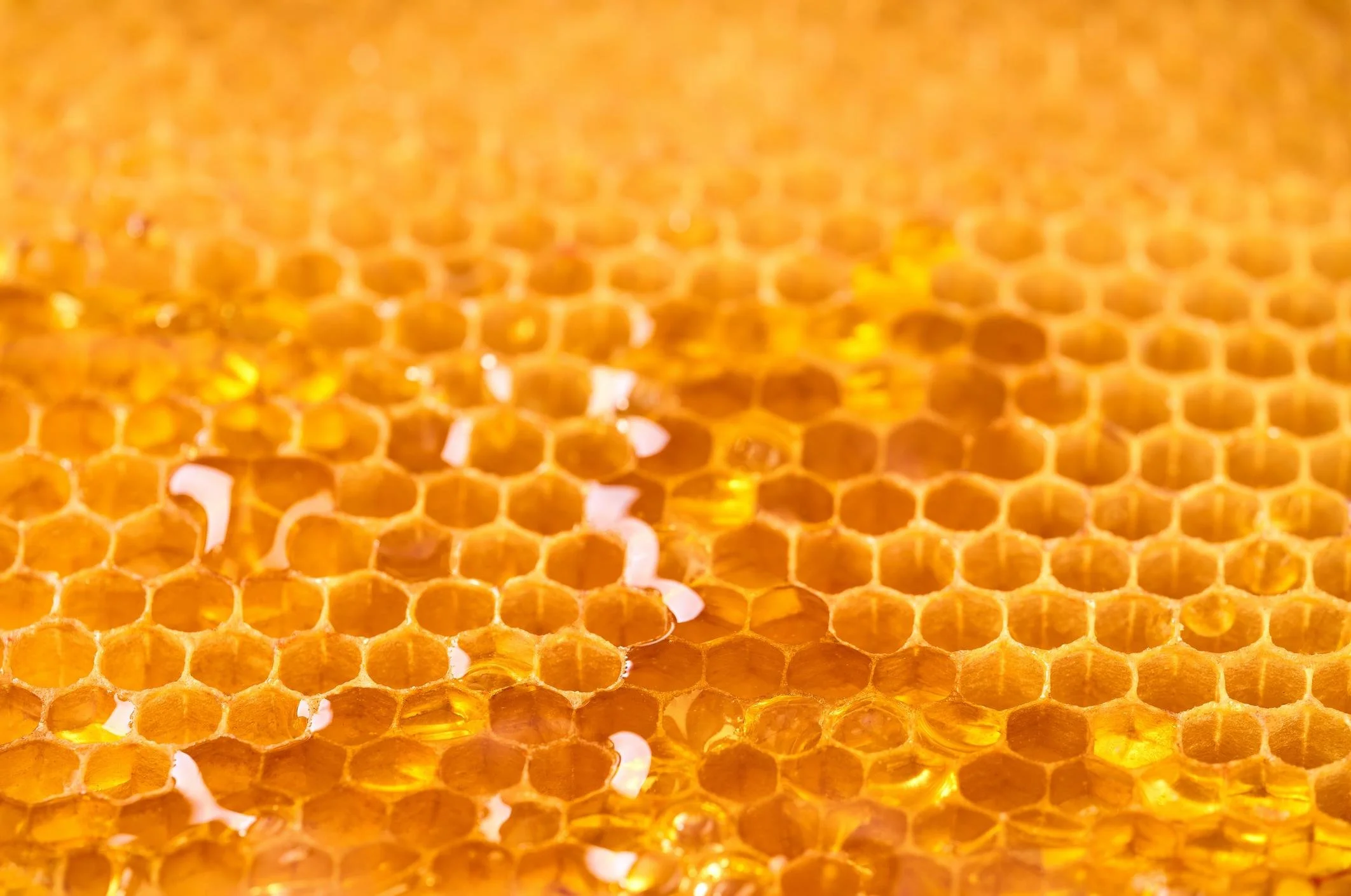
Honey — Nature’s Liquid Gold
Honey has been cherished for thousands of years — not only as a sweetener, but as medicine.
Long before modern science, civilizations used honey to soothe sore throats, protect wounds, and support healing. Today we know why: raw honey contains natural antibacterial compounds and enzymes that help create an environment where harmful microbes struggle to survive.
A note on storage
Honey is famously shelf-stable, but preserving its living nutrients requires gentle care:
Store in a cool, dark place
Avoid heating above ~40°C (104°F)
Use glass rather than plastic whenever possible
If your honey crystallizes, celebrate — that’s a sign of quality. Simply place the jar in warm (not hot) water until it softens. Many people even prefer crystallized honey for spreading.
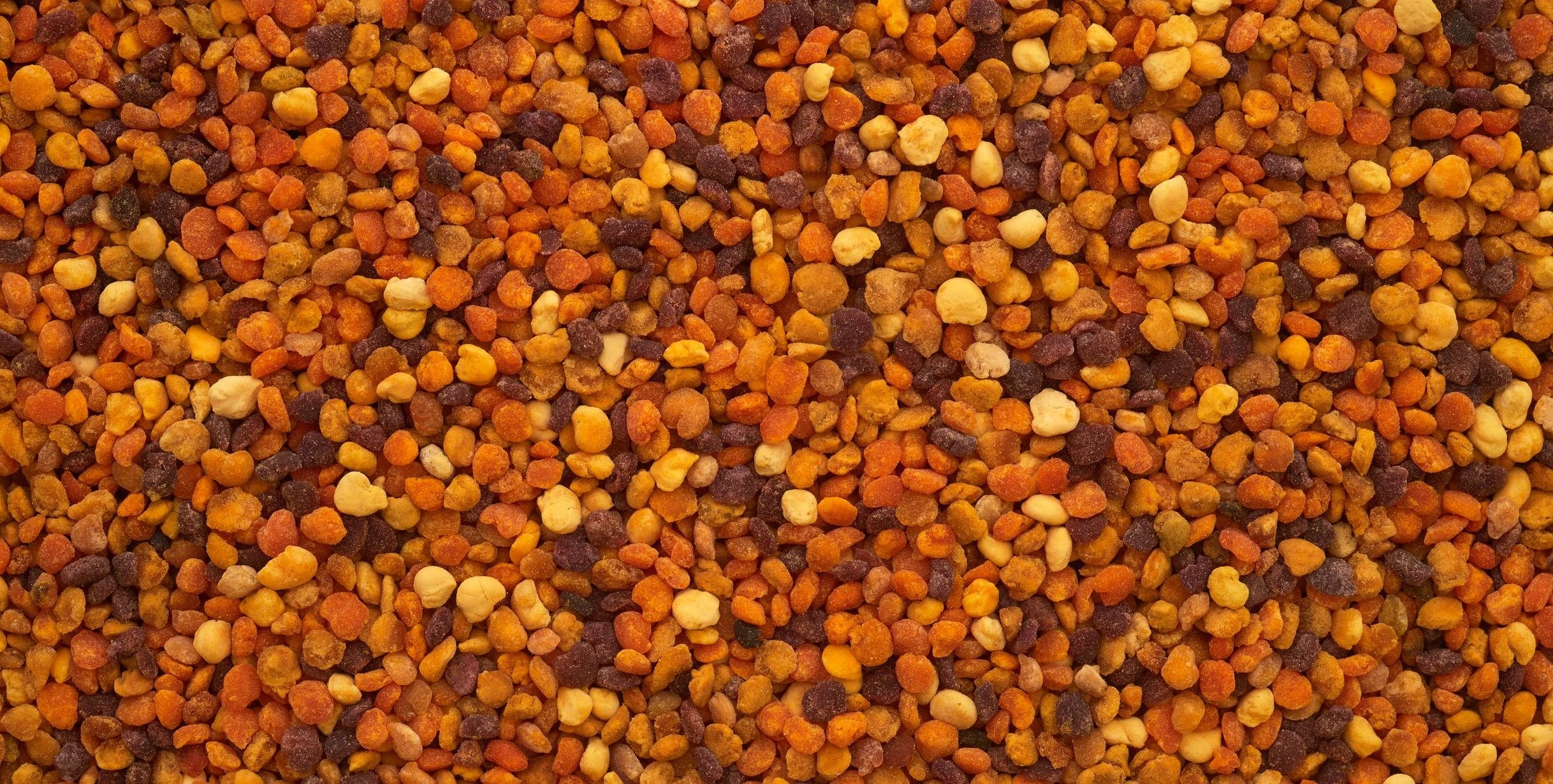
Bee Pollen — A Natural Multivitamin
Bee pollen is one of nature’s most complete foods, containing proteins, amino acids, vitamins, minerals, and antioxidants.
For bees, pollen is essential — it’s their primary protein source. As they visit flowers, they pack pollen onto their hind legs in tiny “baskets” and carry it home to feed the colony.
Responsible beekeepers collect pollen sparingly using temporary pollen traps, always ensuring the hive retains plenty for its own needs.
How to enjoy pollen
Store fresh pollen in the freezer
Dried pollen keeps best in a cool, dark cupboard
Sprinkle on yogurt, smoothies, or oatmeal
If you’re new to pollen, start with a few granules and observe your body — some people are sensitive.
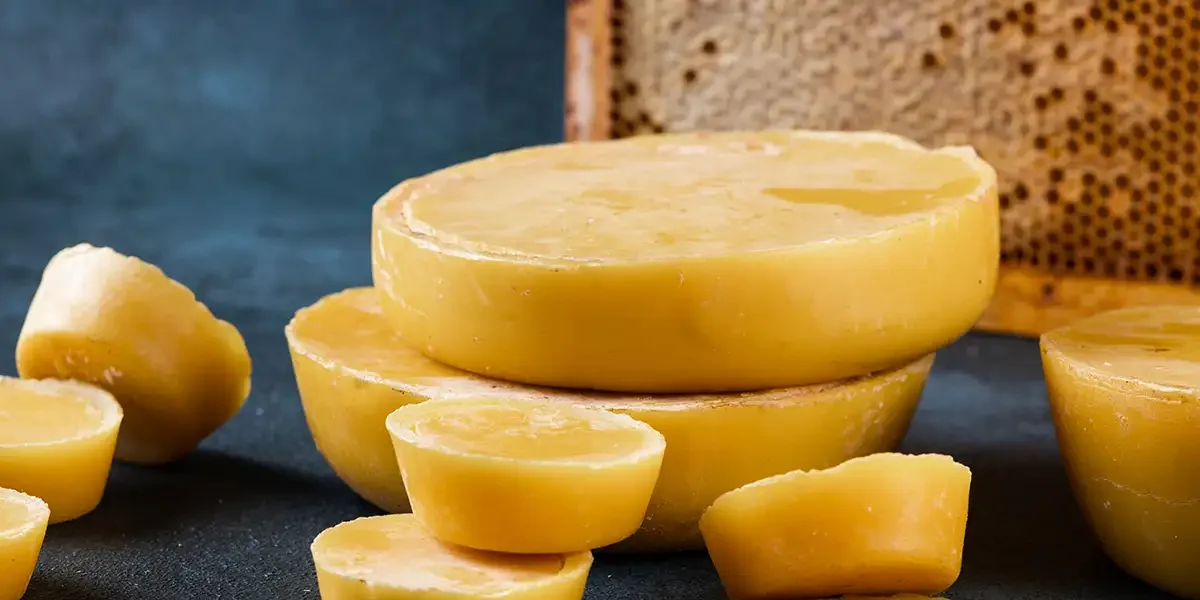
Beeswax — The Hive’s Building Block
Beeswax is produced by worker bees and shaped into the familiar hexagonal honeycomb — one of nature’s most efficient designs.
Humans have relied on beeswax for centuries: candles, cosmetics, skin salves, food wraps, and waterproofing treatments all trace back to this versatile substance.
Beeswax contains hundreds of natural compounds and subtle antibacterial properties. It’s especially valued in:
Lip balms and creams
Healing ointments
Natural candles
Sustainable food storage
That warm, sweet scent? It comes from trace amounts of honey, pollen, and propolis embedded in the wax.
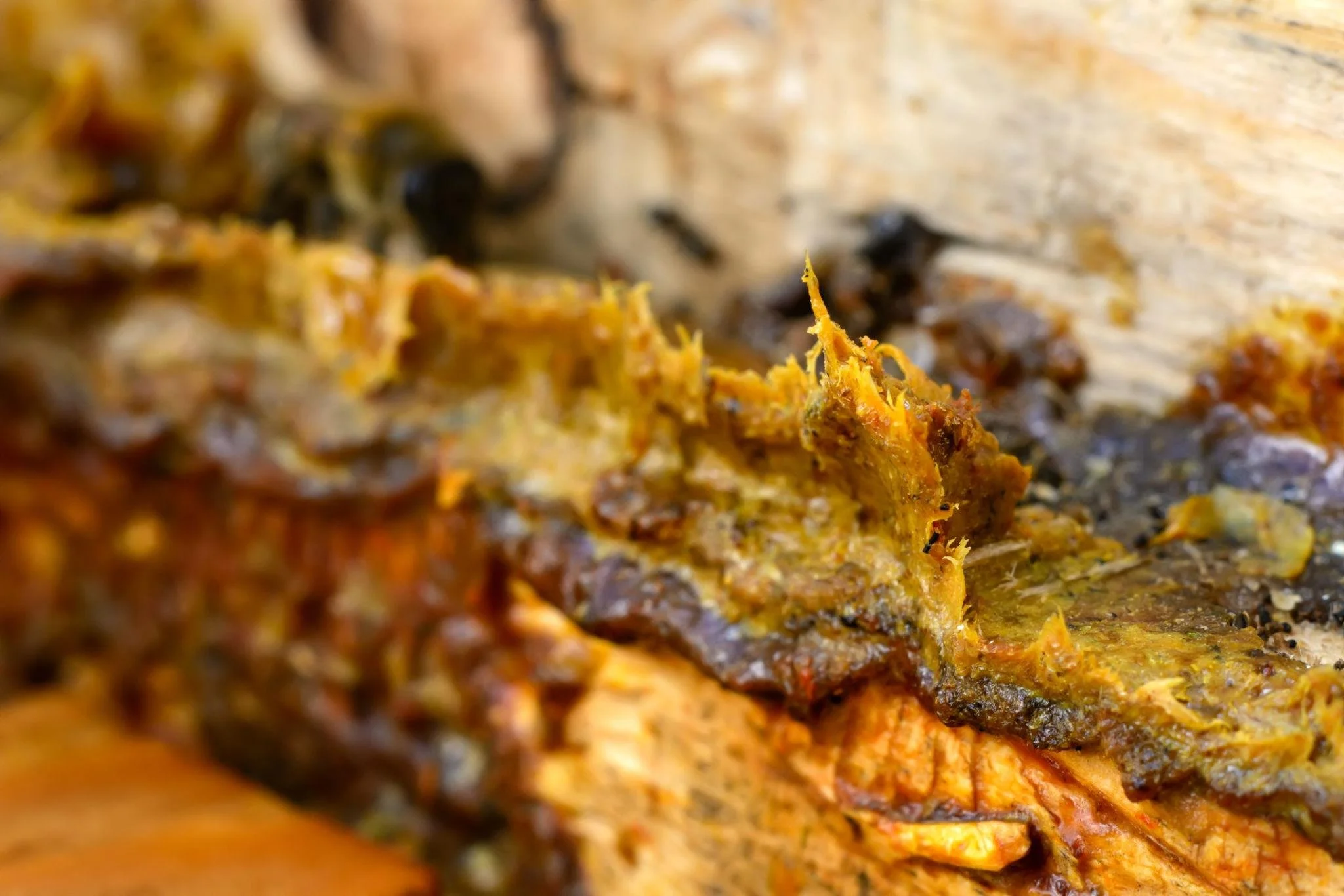
Propolis — The Hive’s Immune System
Propolis is one of the hive’s most fascinating creations — a blend of tree resins, beeswax, and pollen.
Bees use it as both glue and medicine, sealing cracks in the hive and coating surfaces to prevent disease. Think of it as the colony’s natural disinfectant.
For humans, propolis is prized for its antimicrobial and immune-supporting qualities. It’s commonly found in:
Throat sprays
Tinctures
Natural remedies
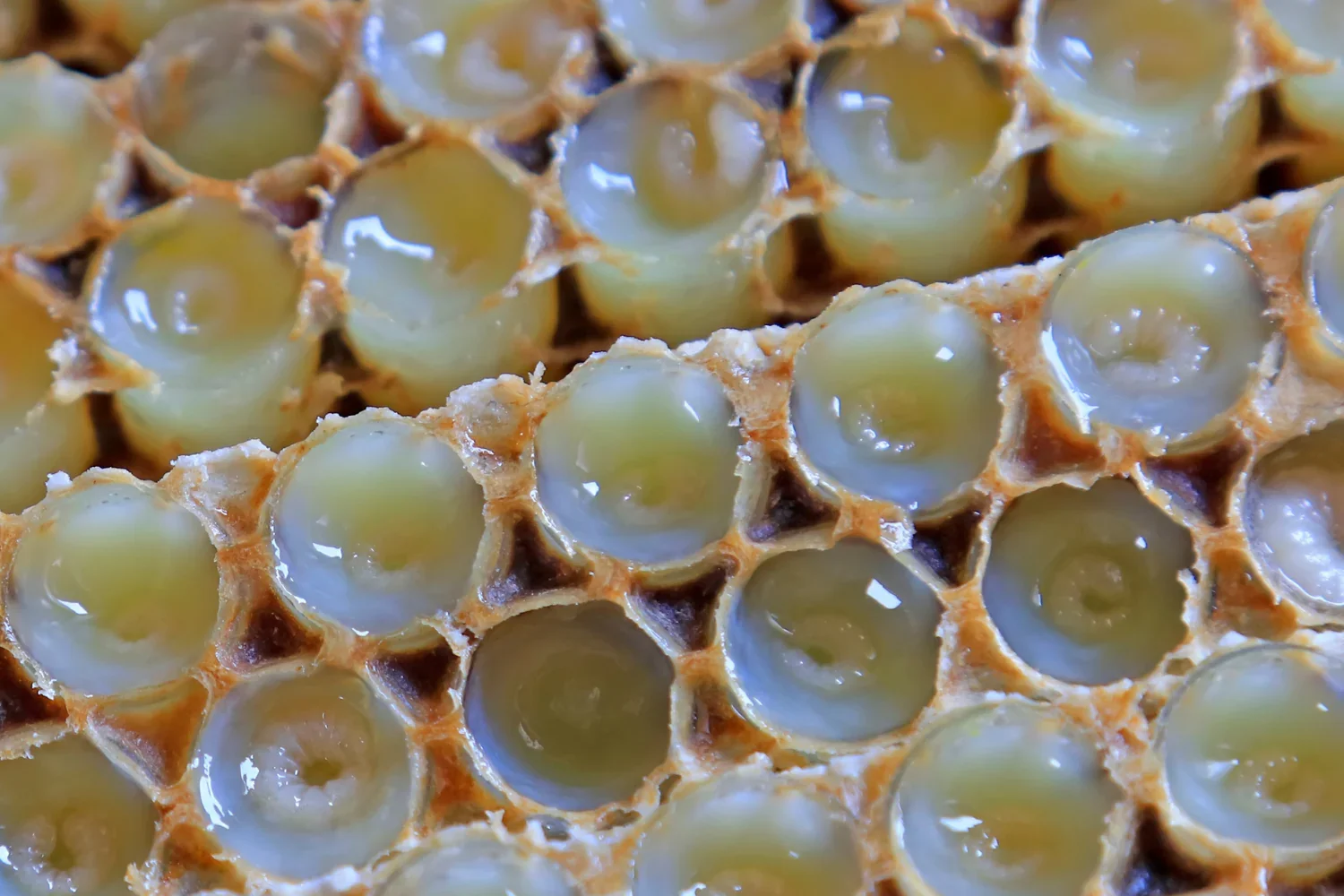
Royal Jelly — Food for a Queen
Every hive product represents countless flights, delicate cooperation, and a deep intelligence woven into nature.
At BeeConscious, we believe these gifts deserve respect — harvested thoughtfully, used wisely, and always with the wellbeing of the bees first.
When you choose hive products, you’re not just buying something sweet or soothing. You’re supporting an ancient relationship between humans and pollinators — one that sustains ecosystems, agriculture, and life itself.
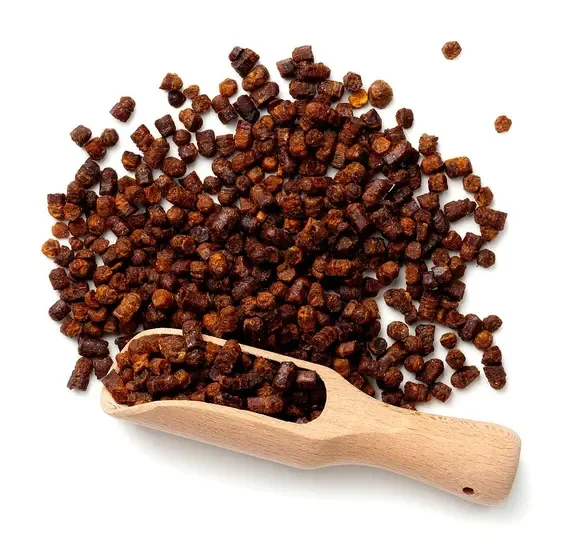
Perga (Bee Bread) — The Hive’s Fermented Superfood
If bee pollen is nature’s multivitamin, perga — often called bee bread — is its wiser, more powerful cousin.
Bee bread begins as ordinary pollen, but inside the hive it undergoes a remarkable transformation. Worker bees pack fresh pollen into honeycomb cells, add a little honey and enzymes, then seal it with wax. Over time, this mixture naturally ferments, creating perga.
This fermentation process unlocks nutrients, breaks down tough pollen walls, and introduces beneficial microbes — making bee bread far easier for both bees and humans to digest than raw pollen.
For the colony, perga is essential. It’s their primary long-term protein store, feeding developing larvae and sustaining the hive through lean seasons. For us, it’s one of the most nutrient-dense hive products available.
Why perga is so special?
Bee bread contains:
Highly bioavailable proteins and amino acids
Vitamins B, C, D, E, and K
Natural probiotics from fermentation
Antioxidants and trace minerals
Because it’s already partially digested by the bees and beneficial bacteria, many people find perga gentler on the stomach than standard bee pollen.
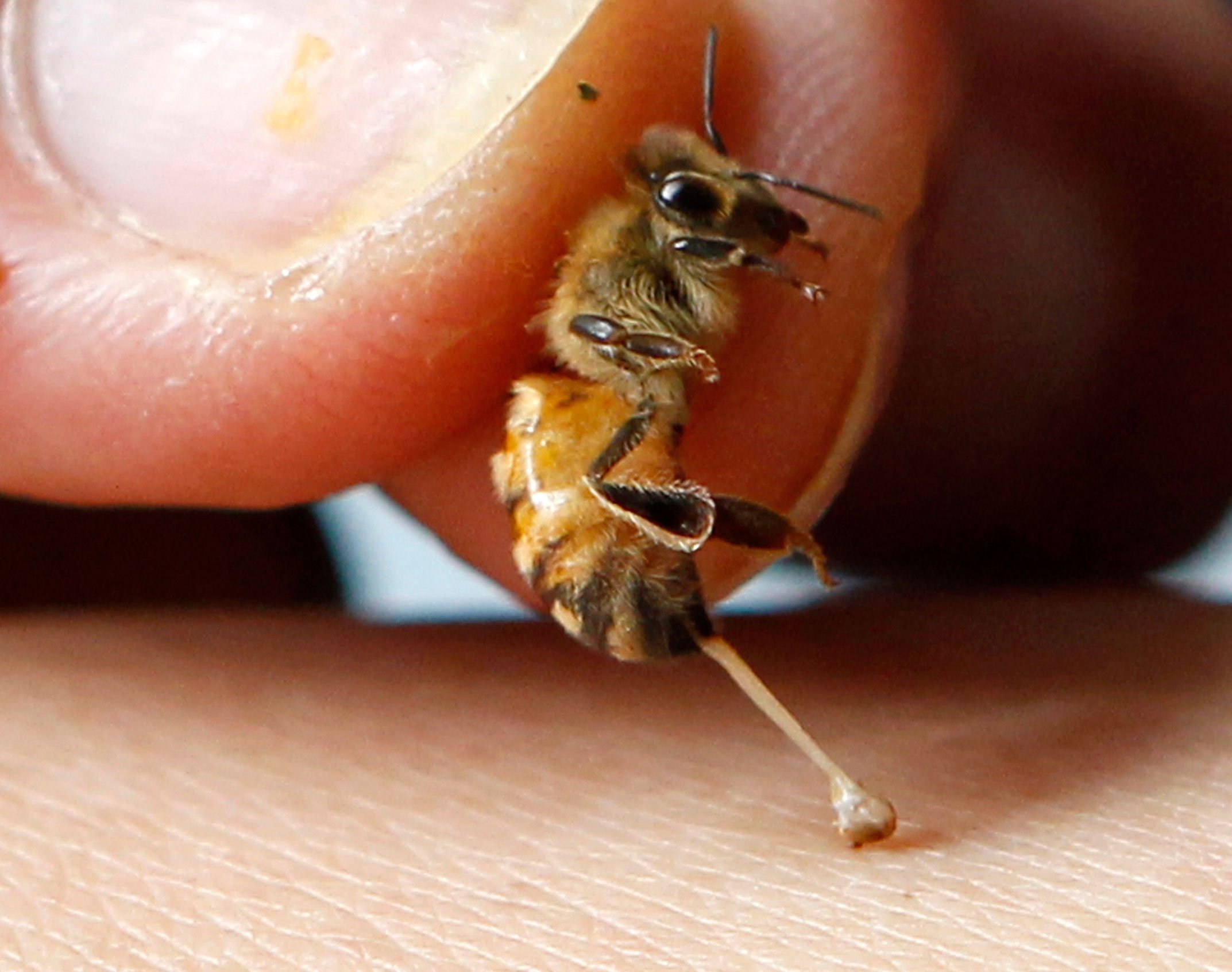
Bee Venom — The Hive’s Powerful (and Sacred) Defense
Bee venom may sound intimidating — but within the hive, it plays a vital role in protection and communication. And when gathered thoughtfully, it has become one of the most intriguing (and carefully studied) hive products used by humans today.
Worker bees produce venom as a defense mechanism, releasing it when the colony is threatened. This complex substance contains peptides, enzymes, and amino acids — most notably melittin — which give bee venom its characteristic anti-inflammatory and stimulating effects.
In nature, venom protects the hive. In traditional wellness practices, it has been explored for centuries.
Why bee venom is so unique?
Bee venom is valued for its ability to:
Stimulate circulation
Support the body’s natural inflammatory response
Encourage collagen production in skincare
Activate localized healing pathways
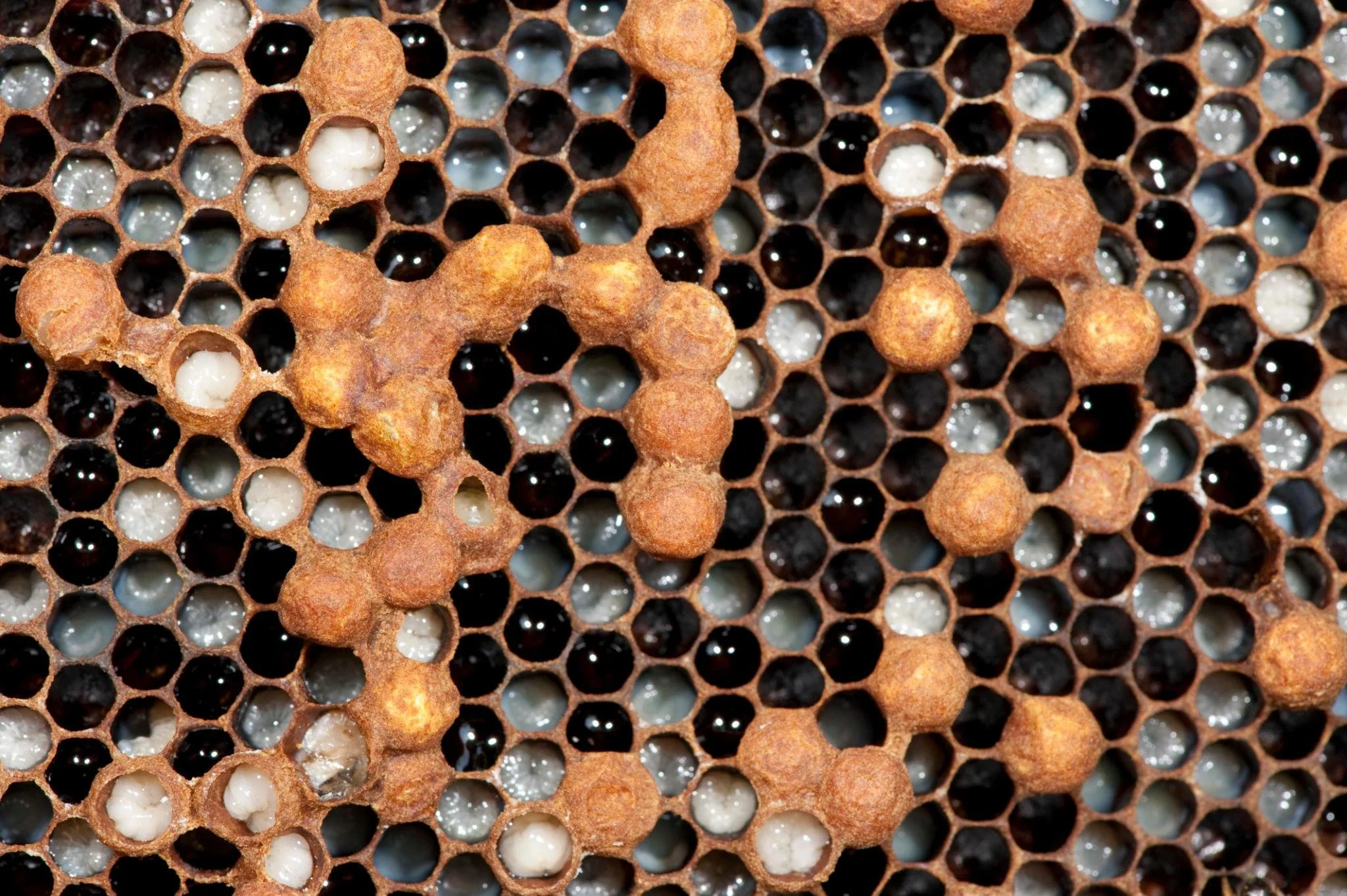
Apilarnil — The Hive’s Most Unusual Nutrient Treasure
Apilarnil is one of the least-known — and most misunderstood — hive products. It’s also one of the most powerful.
Unlike honey, pollen, or royal jelly, apilarnil is derived from drone larvae (male bee brood), harvested at a very specific developmental stage. The result is a creamy, nutrient-dense substance naturally rich in amino acids, vitamins, minerals, enzymes, and bioactive compounds.
Its name comes from Api (bee) and lar (larvae) — a reminder that this product comes directly from the next generation of the hive.
While this may sound surprising at first, drone brood harvesting has long been practiced in traditional beekeeping cultures — often alongside mite management — making thoughtful use of material that would otherwise be removed from the colony.
Why apilarnil is traditionally valued?
Apilarnil has been used for decades in Eastern European apitherapy traditions, where it’s associated with support for:
Energy and vitality
Hormonal balance (especially in men)
Immune resilience
Physical recovery and endurance
It naturally contains trace hormones and growth factors present during larval development, which is why it has earned a reputation as a regenerative hive product.
For many, apilarnil is considered the masculine counterpart to royal jelly — not in opposition, but in balance.