
Honey-Based Remedies: Time-Tested Preparations for Everyday Wellness
For as long as people have worked alongside bees, honey has been more than a sweetener. It has been a carrier, a preservative, and a harmonizer—drawing together the virtues of plants into forms that are both practical and pleasurable.
Long before modern supplements lined store shelves, honey was combined with herbs in thoughtful preparations designed to nourish, fortify, and restore balance. Interestingly, the bee began this partnership first. Every jar of honey already carries subtle traces of the nectars and pollens gathered from specific plants. In a sense, the hive pioneered the art of blending herbs and honey; we simply refined it.
Below are several traditional honey-based preparations that remain deeply relevant today.
Electuaries: The Original Herbal Confection
Electuaries are one of the simplest and most satisfying herbal preparations. At their core, they are mixtures of raw honey combined with dried or fresh plant material—sometimes enhanced with spices, powders, or other supportive ingredients.
Historically used for both humans and animals (including horses in veterinary practice), electuaries offer a practical solution to a common problem: many beneficial herbs are bitter or difficult to take consistently.
By blending them into raw honey:
The flavor becomes pleasant.
The herbs are preserved.
Daily use becomes enjoyable rather than burdensome.
An electuary is typically eaten by the teaspoonful. The texture is thick and spoonable, and because no heat is applied, the vitality of the raw honey remains intact.
From a traditional standpoint, this preparation respects both the integrity of the plant and the natural properties of honey—an approach that has endured for centuries.
Infused Honey: Sun-Steeped Simplicity
Infused honey is perhaps the most approachable method for beginners.
Fresh herbs or spices are added directly to raw honey and stirred regularly over the course of two to six weeks. Rather than applying heat, the jar may be placed in a sunny window, allowing time and warmth to gently encourage the transfer of flavor and beneficial plant compounds.
After steeping:
The herbs are strained out.
The honey is stored as usual.
It can be eaten by the spoonful or added to recipes.
This slow, patient method reflects a traditional rhythm—working with time instead of rushing the process. The result is a subtly enhanced honey that carries both the character of the plant and the terroir of the hive.
Oxymels: The Honey and Vinegar Tonic
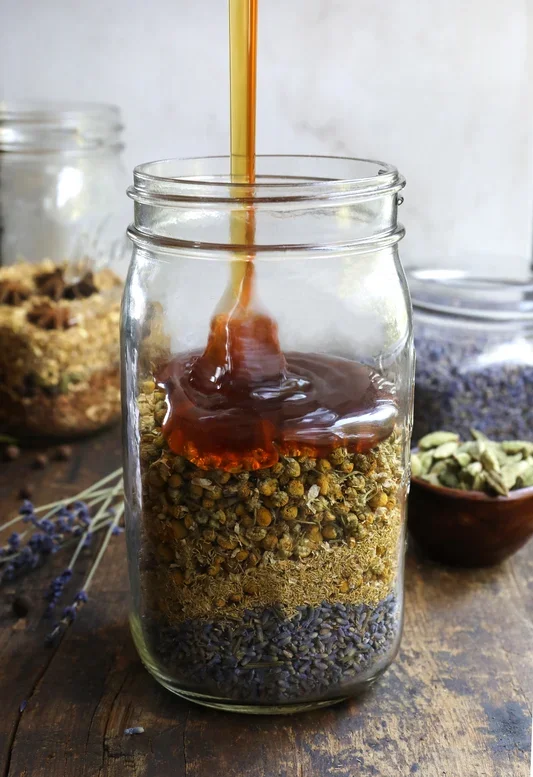
An oxymel is a blend of honey and vinegar infused with herbs. The name itself comes from ancient traditions combining “oxy” (acid) and “mel” (honey).
This preparation brings together three powerful elements:
Raw honey
Vinegar (often apple cider vinegar)
Selected herbs
The sweet and sour balance creates a tonic that can be enjoyed by the glass diluted in water or incorporated into dressings and recipes.
Oxymels have long been appreciated for supporting digestion and seasonal wellness. Their shelf stability and versatility made them a staple in traditional households.
Tinctured Honey: A Broader Extraction
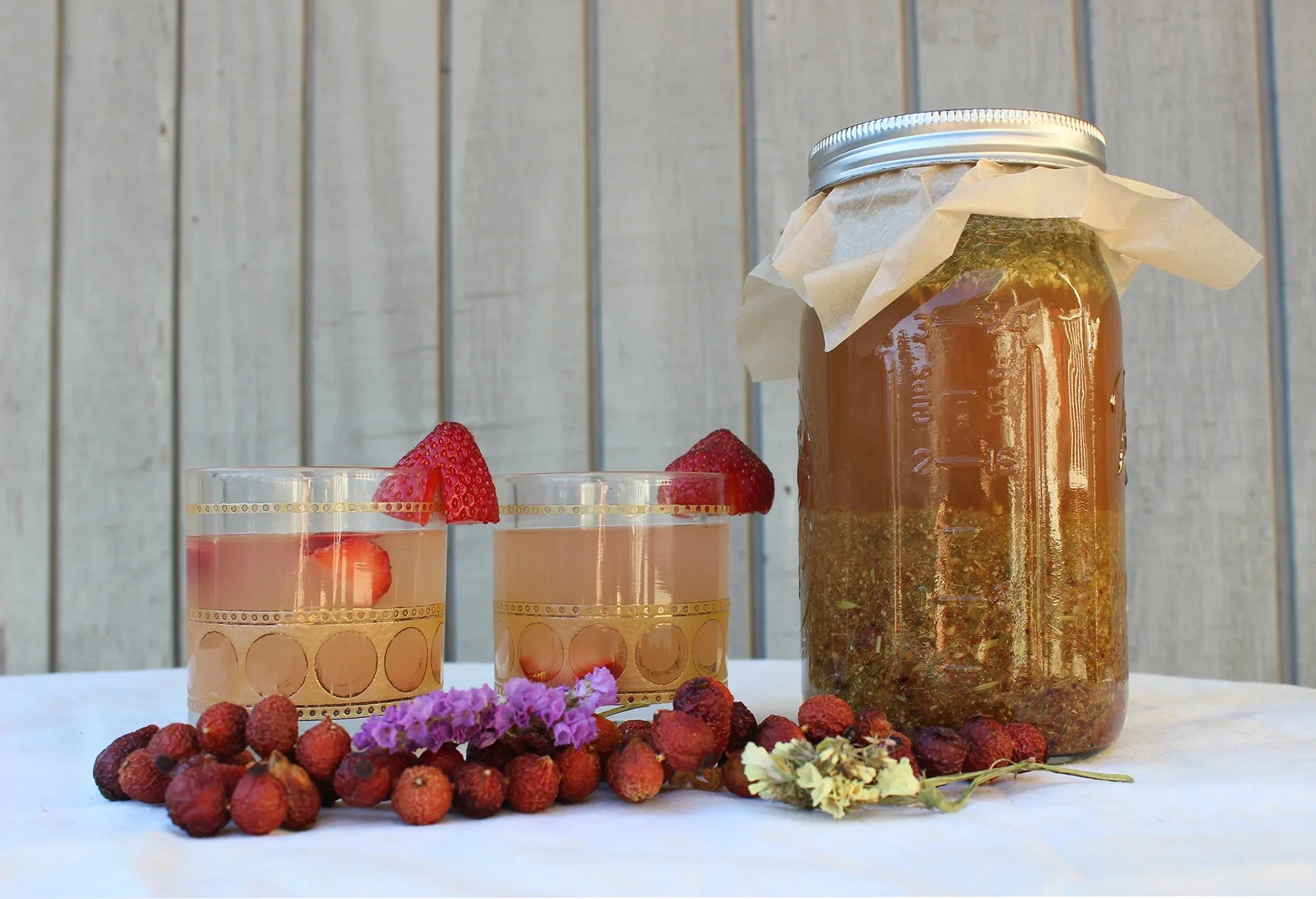
Tinctured honey expands upon infusion by adding alcohol or vinegar to the mixture of honey and herbs. No heat is used. Instead, the blend is stirred regularly and allowed to sit for four to six weeks.
This approach:
Extracts a wider range of plant constituents.
Preserves the preparation naturally.
Creates a concentrated liquid taken in small amounts (typically 30–60 drops, depending on the herb).
Once strained, the herbs are composted and the finished tincture is stored for measured use. It bridges the gap between culinary and medicinal preparation—practical, potent, and long-lasting.
Pills (Pian): A Traditional Chinese Method
The word pian means “slices,” referring to how these pills were traditionally formed.
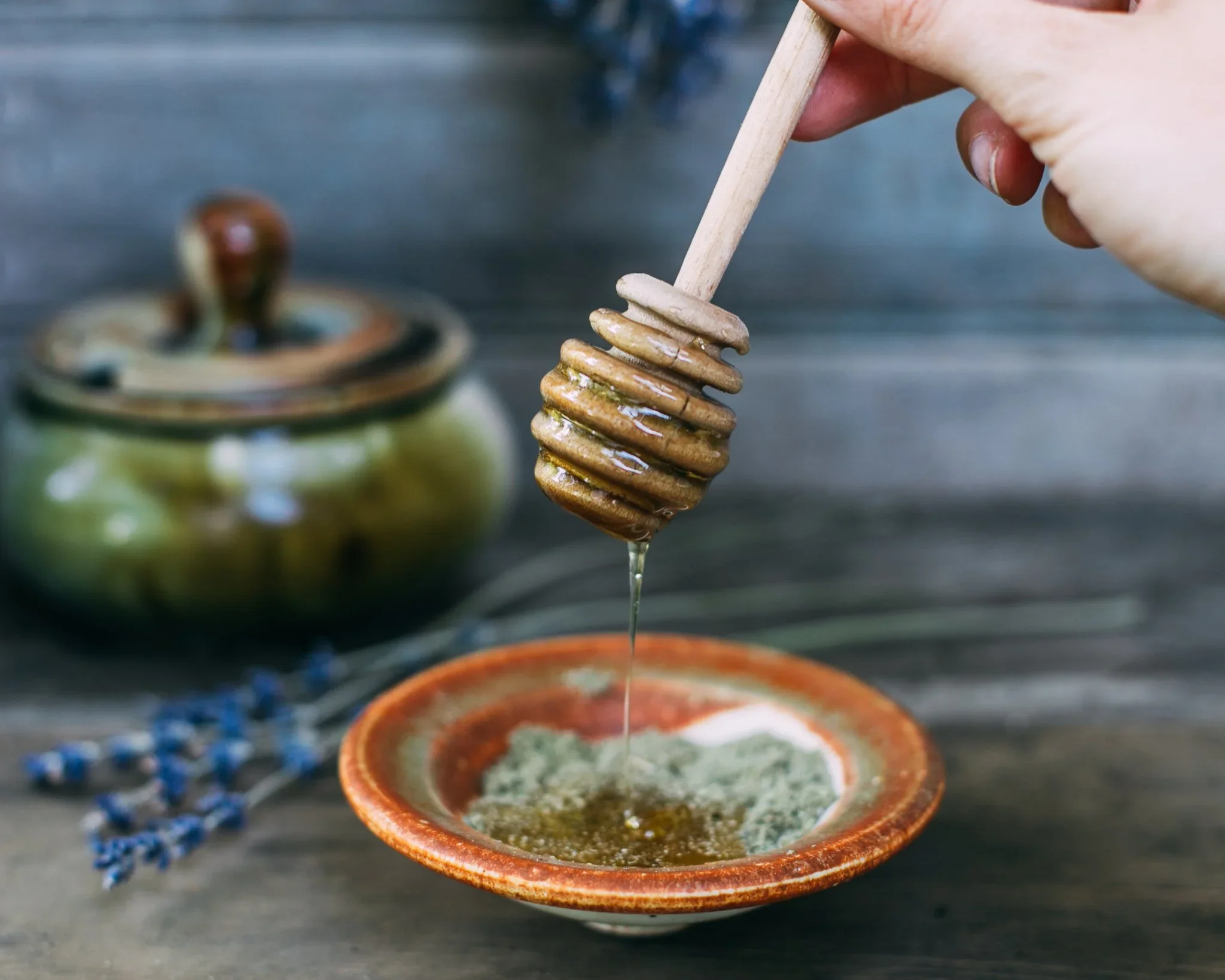
Powdered herbs are combined with raw honey until a pliable dough forms. The dough is then sliced into small portions and rolled into pea-sized balls. They may be eaten fresh or dried for later use.
This preparation method reflects classical Chinese herbal traditions and demonstrates honey’s remarkable versatility—not only as a sweetener or solvent but as a binder.
For those who prefer portability and consistency in dosage, honey pills offer a time-honored solution.
Fermented Honey: Living Sweetness
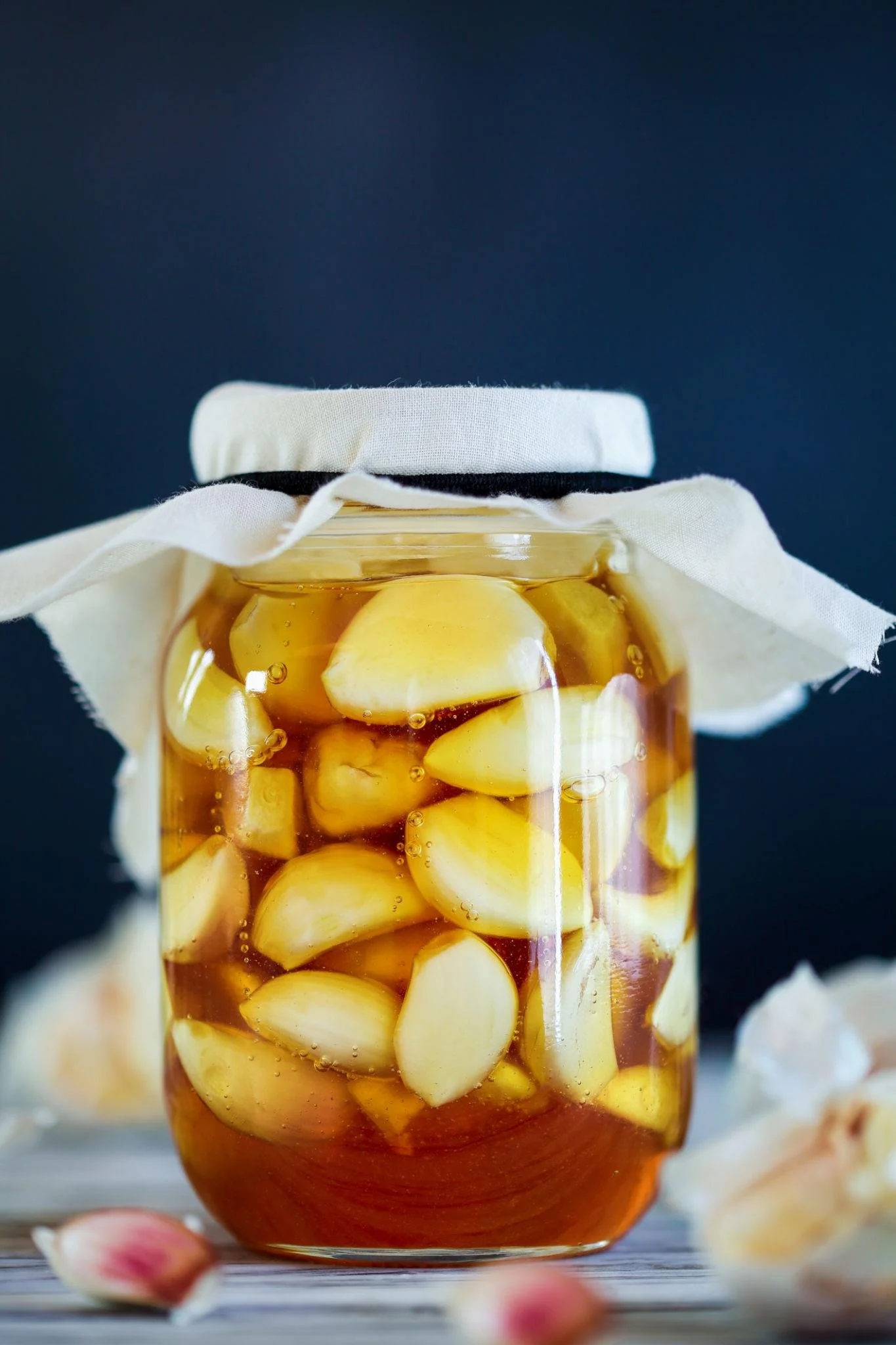
Fermented honey represents a return to one of nature’s oldest processes. Natural yeasts present in honey begin to consume sugars, producing mild alcohol and beneficial microorganisms.
Herbs, spices, or symbiotic cultures such as Jun can be added to guide the fermentation. The result may be a lightly effervescent beverage or spoonable fermented honey.
Traditionally, fermented preparations were valued for digestive support and overall vitality. Rather than sterilizing or refining, this method embraces the living qualities inherent in raw honey.
The Bee as the First Herbalist
Every variety of honey reflects the plants visited by bees. Clover, wildflower, buckwheat, basswood—each nectar source leaves its imprint. Before any herbalist stirs a jar, the bee has already created a complex botanical blend.
This perspective reminds us that honey is not a blank canvas. It carries the landscape within it.
When we prepare electuaries, oxymels, infused honeys, tinctures, pills, or ferments, we are building upon the bee’s original work—extending a partnership between plant, pollinator, and person.
A Practical Tradition for Modern Times
In an era of fast solutions and synthetic formulations, honey-based remedies offer something enduring:
Simplicity
Stability
Flavor
Respect for whole-plant preparations
Minimal processing
They invite patience. They reward craftsmanship. And they honor a lineage of herbal practice that has been trusted for generations.
Whether stirred into a daily spoonful or blended into a tonic, honey remains one of the most versatile and generous gifts from the hive—carrying both sweetness and substance in equal measure.