
Honey’s History of Healing
Healing Traditions Around the World
The story of blending honey and herbs reaches far deeper into human history than most of us first imagine. Wherever people have lived close to bees, they have regarded honey as more than food. It has been medicine, preservative, tonic, and sacred offering. Long before laboratories and pharmaceutical shelves, families and healers turned to what the land and hive provided.
Across cultures, honey was never merely a sweetener to disguise bitter plants. The old herbalists understood something profound: when honey and herbs are combined, they create synergy. This preparation — traditionally called an electuary — is greater than its parts. Honey does not simply carry herbs; it transforms how they act in the body.
Even today, while much of the Western world leans heavily on prescription medicine, the majority of global cultures still rely primarily on plant-based remedies. The ancient partnership between honey and herbs remains alive.
India and Ayurveda
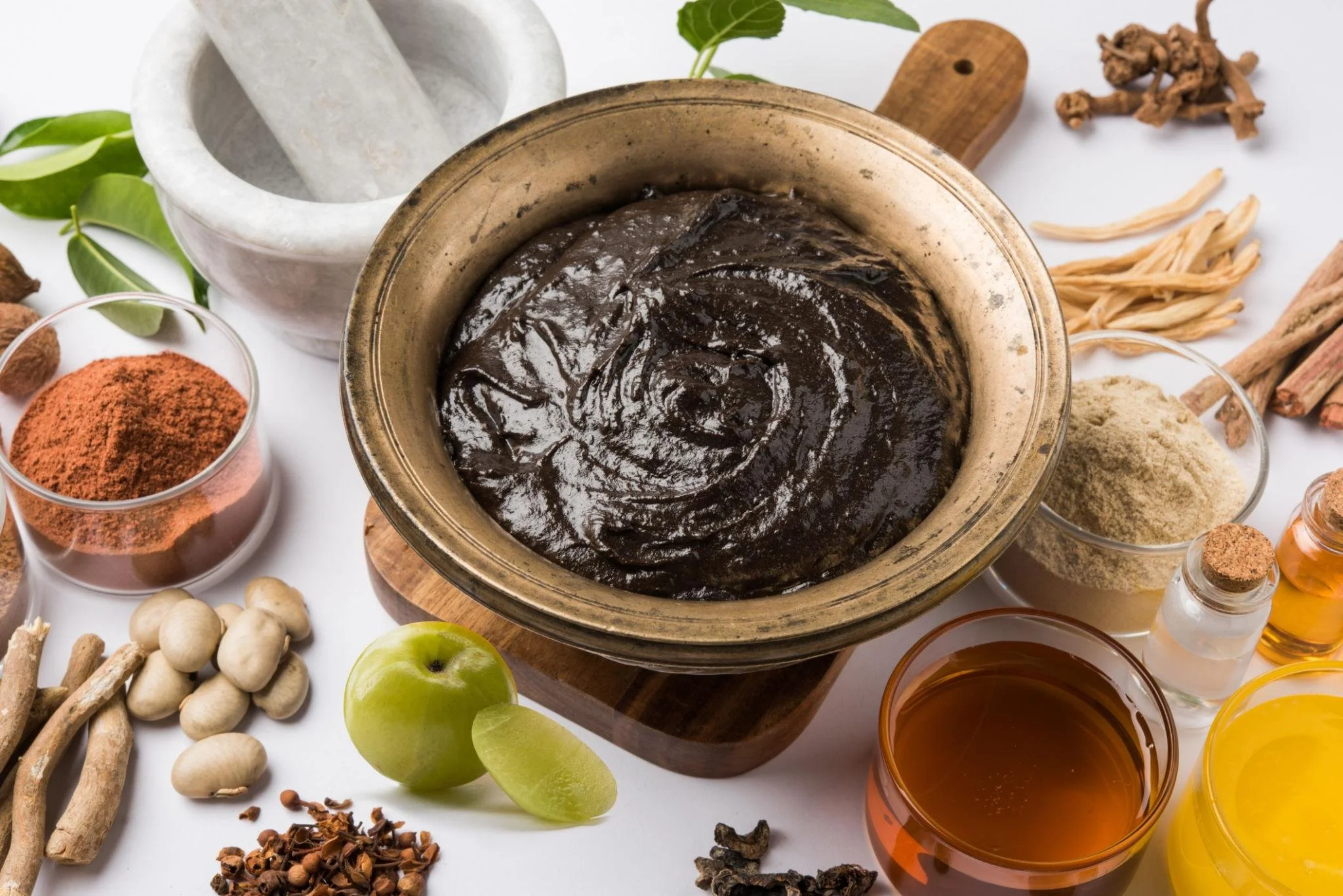
In the ancient system of Ayurveda — meaning “knowledge of life” — honey holds a revered place. For thousands of years, practitioners have used honey as a yogavahi, a substance that enhances the healing qualities of whatever it is combined with.
Honey is also considered an anupana, a catalyst that increases absorption. Traditional wisdom teaches that honey helps herbs reach deeper levels of imbalance in the body and delivers plant phytochemicals precisely where they are needed.
Unlike most sweet substances in Ayurveda, which are cooling, honey is regarded as warming and strengthening. It appears in herbal jams, fermented tonics, powdered preparations, and tablets. Practitioners believe honey moderates harsh herbal effects and improves tolerance.
Even the age of honey matters. Fresh honey is seen as nourishing and building, while aged honey is considered drying and cleansing — better suited for purification.
Indian tradition also recognizes varietal honeys — those made primarily from one plant — as extensions of the plant itself. Modern studies confirm that roughly 4 percent of honey’s composition consists of phytochemicals derived from the nectar source. The ancients observed this long before microscopes proved it.
Traditional Chinese Medicine
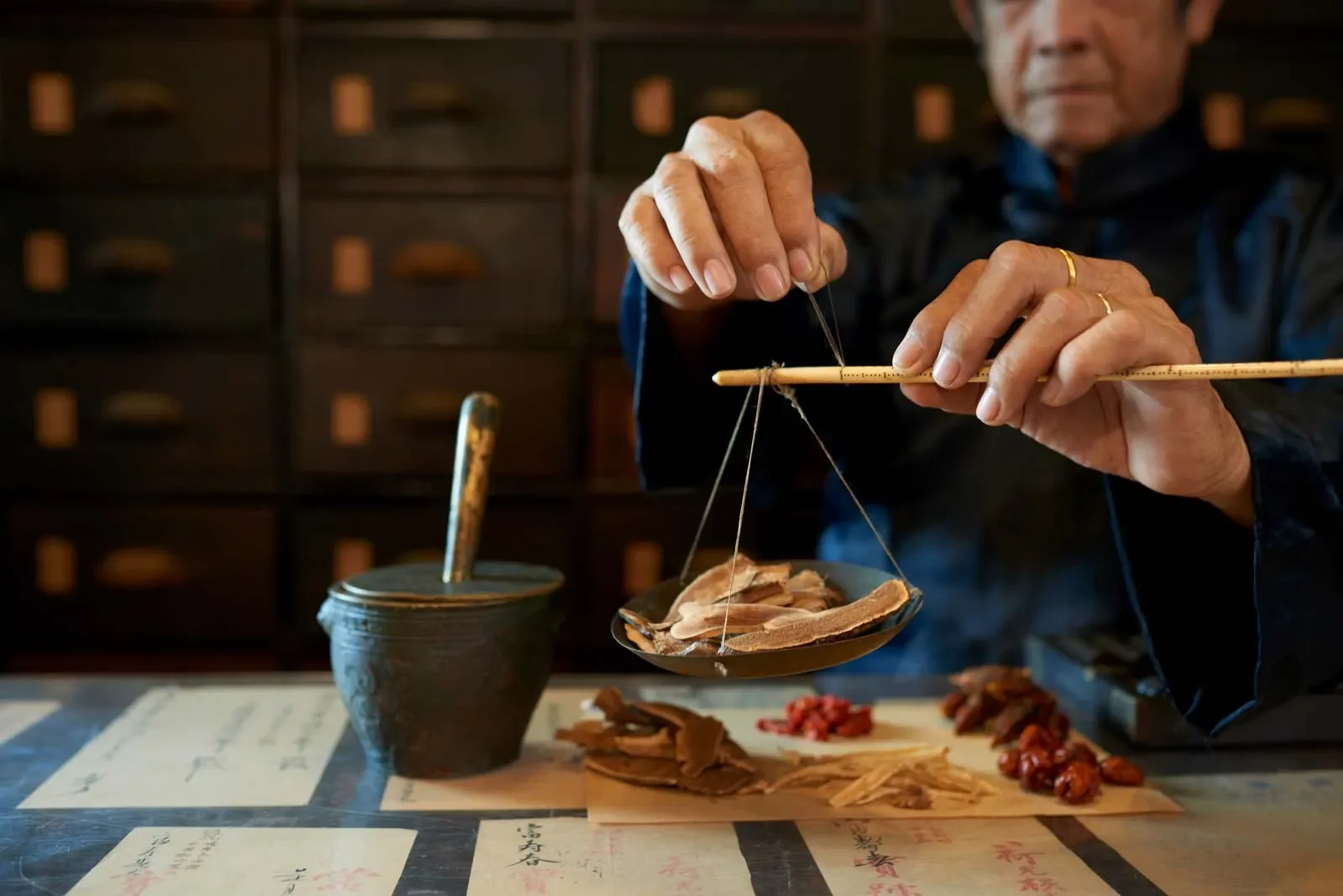
In Traditional Chinese Medicine (TCM), honey has been recorded as a healing substance since the writings attributed to Shennong around 2000 BCE.
TCM regards honey as balanced — neither yin nor yang — a rare and valuable neutrality. It enhances “superior tonics,” China’s equivalent of strengthening superfoods.
Historically, herbal formulas were prepared as concentrated teas, then dried into powders or blended with honey and rolled into transportable pills called pian. These honey-based preparations allowed medicine to travel easily and be taken as needed, dissolved into hot water or swallowed whole.
While modern practice has evolved, honey remains recognized as a catalyst and carrier, especially in remedies that support spleen qi — associated with digestion and immune resilience.
South America: Argentina’s Living Traditions
In Argentina, honey is harvested not only from Apis mellifera but also from native stingless bees. Rural beekeeping ranges from managed farm hives to carefully gathering honey from forest colonies.
Among the Argentine Criollos — people of Spanish descent born in Latin America — honey is considered essential in home remedies. Herbal mixtures frequently include honey not simply for flavor, but because tradition holds that combining them makes the medicine stronger.
The belief echoes across cultures: honey amplifies the healing power of plants.
Nigeria and West African Wisdom
Nigeria holds thousands of years of recorded honey use in healing. After extended reliance on Western medicine, many Nigerians are returning to traditional practices, and honey-based remedies are experiencing renewed respect.
Many Nigerian preparations focus on fertility and reproductive health. Fittingly, Oshun — the Yoruba goddess of feminine energy, fertility, and childbearing — is also associated with honey.
In these traditions, adding honey to a remedy is considered essential to its success. Once again, honey is seen not as optional, but foundational.
Europe’s Electuaries and Catholicons
Premodern Western medicine also embraced honey-based preparations. A well-known type of electuary called a catholicon was widely used until the nineteenth century. Though exact formulas varied, they were often designed to relieve digestive complaints and likely included common stomach-soothing herbs.
By the nineteenth century, electuaries in Europe were increasingly reserved for veterinary use — particularly for horses — as pharmaceutical medicine began to dominate human treatment.
Yet the older knowledge never entirely vanished. It endured in rural households, monastery gardens, and family kitchens.
The Enduring Wisdom of Honey and Herbs
Across continents and centuries, cultures that lived near bees discovered the same truth: honey magnifies the virtues of plants.
From Ayurveda’s yogavahi, to Chinese honey pills, to Nigerian fertility tonics, to Argentine forest remedies, the pattern is consistent. Honey is not simply sweet. It is synergistic. It carries, preserves, moderates, and enhances.
Modern science continues to validate what traditional healers observed: honey contains plant-derived compounds, possesses antimicrobial properties, and improves palatability and compliance. But perhaps more importantly, it represents continuity — a bridge between ancient practice and modern rediscovery.
The hive has always offered more than sweetness. It has offered medicine, patiently waiting to be remembered.